

The skin–stress connection
Stress doesn't stop at the mind.
Cortisol reaches the skin. There, prolonged stress signalling can affect barrier function, reactivity and repair.
What cortisol does to skin.
Six findings. Each one measured, each one published.
Maarouf, Yosipovitch, Shi. The impact of stress on epidermal barrier function: an evidence-based review. British Journal of Dermatology, 2019.
doi.org/10.1111/bjd.17605
Garg, Chren, Sands, et al. Psychological stress perturbs epidermal permeability barrier homeostasis. Archives of Dermatology, 2001;137(1):53–59.
doi.org/10.1001/archderm.137.1.53
Choi, Demerjian, Crumrine, et al. Glucocorticoid blockade reverses psychological stress-induced abnormalities in epidermal structure and function. American Journal of Physiology, 2006;291(6):R1657–62.
doi.org/10.1152/ajpregu.00010.2006
Choe, Kim, Kim, et al. Psychological stress deteriorates skin barrier function by activating 11β-HSD1 and the HPA axis. Scientific Reports, 2018;8:6334.
doi.org/10.1038/s41598-018-24653-z
Stalder, et al. The cortisol awakening response: Regulation and functional significance. Endocrine Reviews, 2025.
doi.org/10.1210/endrev/bnae024
Fluhr, Feingold, Elias. Transepidermal water loss reflects permeability barrier status. Experimental Dermatology, 2006;15(7):483–92.
doi.org/10.1111/j.1600-0625.2006.00437.x
We formulate where stress shows up.
Stress does not leave one signature on skin. It can alter barrier function, increase reactivity, disrupt recovery and leave skin looking depleted. Our formulas are built around those visible consequences — using neurocosmetic actives alongside proven skin-supporting ingredients.
Formulated for skin and what stress can do to it — not a claim about mood, nervous system activity or systemic cortisol.
Neurophroline® · Sepibliss™ Feel · Epionine® Bio · Telessence™ Breeztel · Akosky™ Mindlight
Epionine® Bio · Turmeria Zen™ · Kannabia Sense™ · Vitamin B5 · Niacinamide
Telessence™ Mitelion · Regenight™ · Circalys® · Algaktiv® Zen
Kannabia Sense™ · Caressense™ Biofunctional · Circalys® · Sepibliss™ Feel
Why the range is split into five.
Stress does not show up on skin in one way. It can leave skin depleted, reactive, dull, disrupted or slow to recover.
We built five collections around those different states — what we call skin moods.

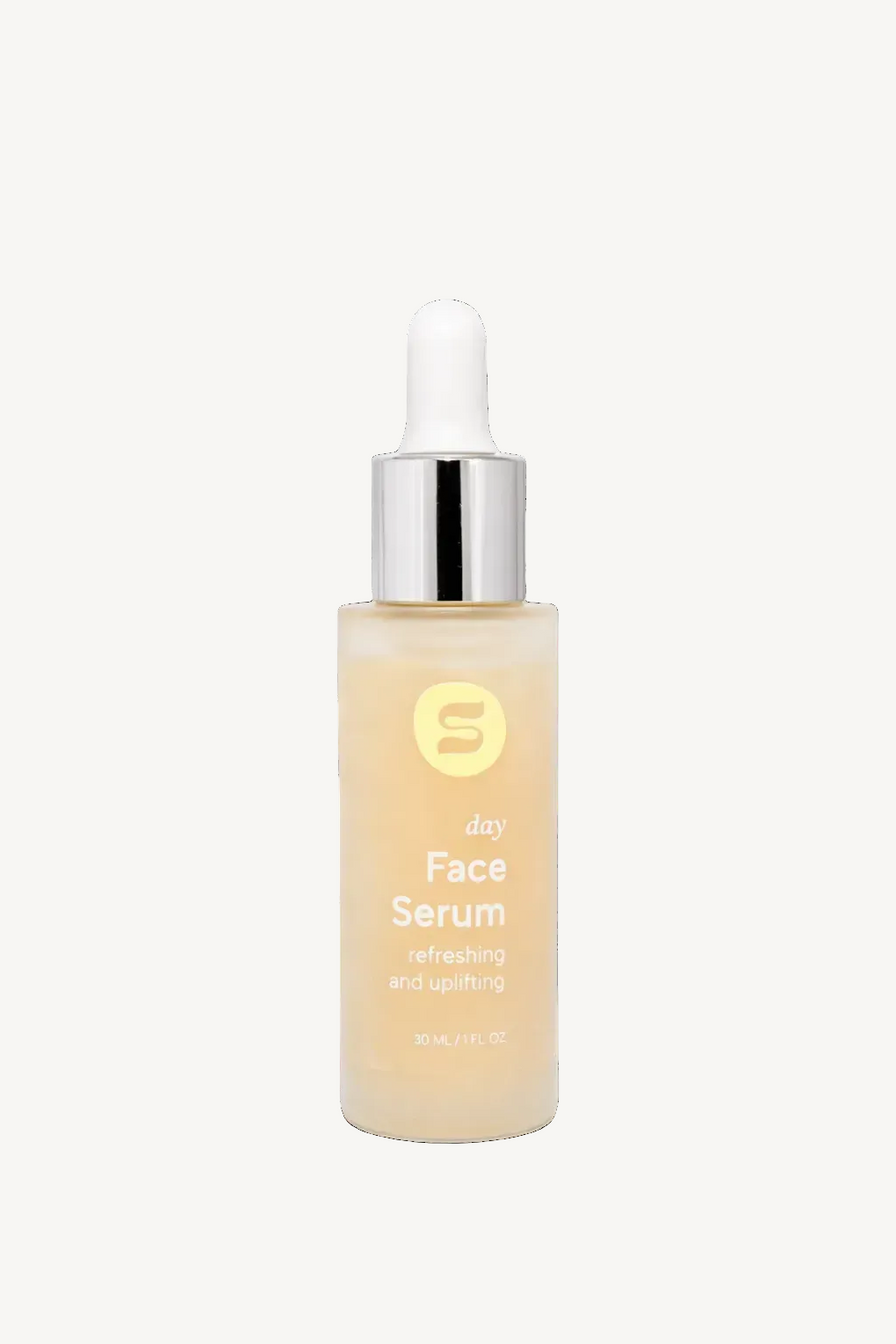
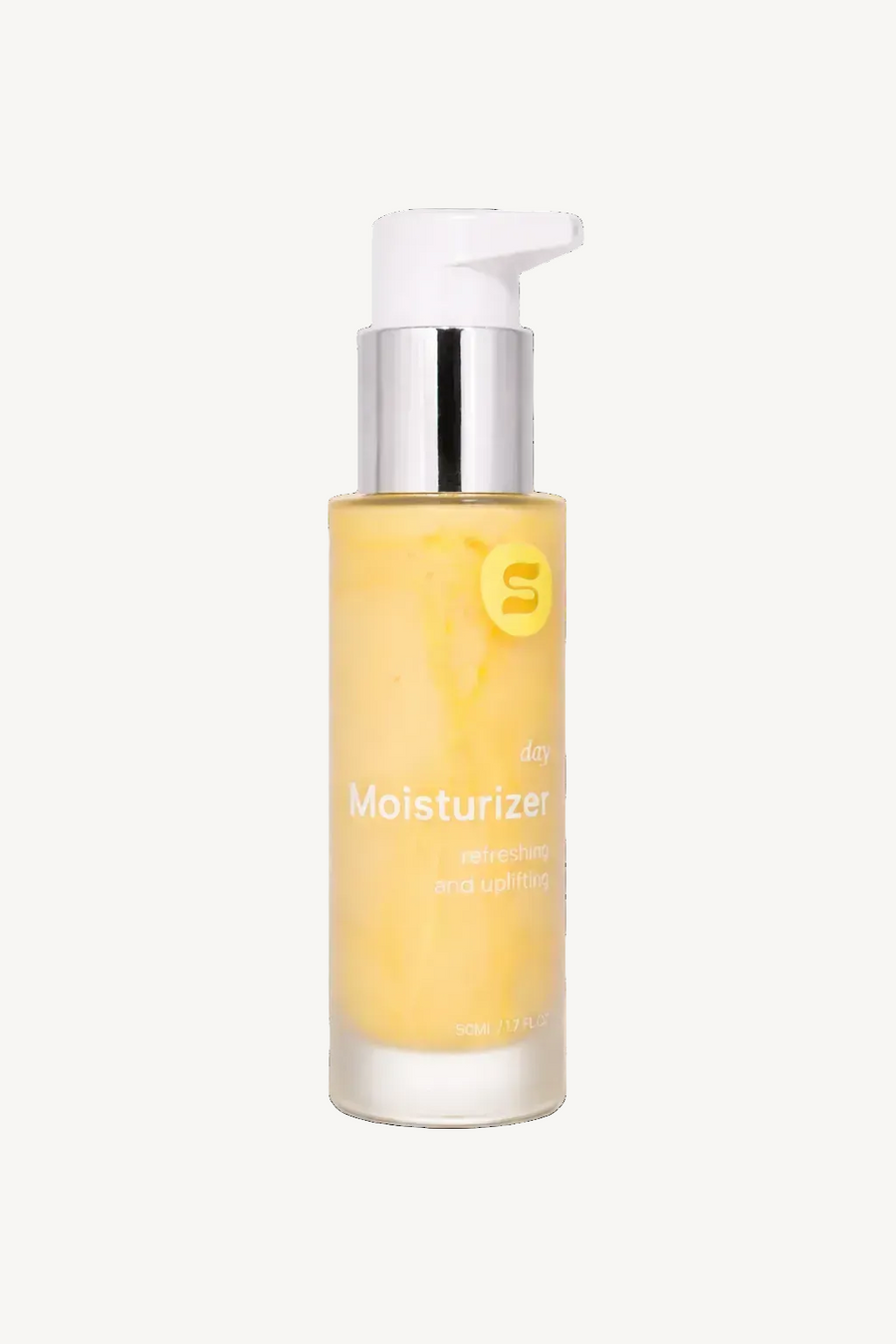
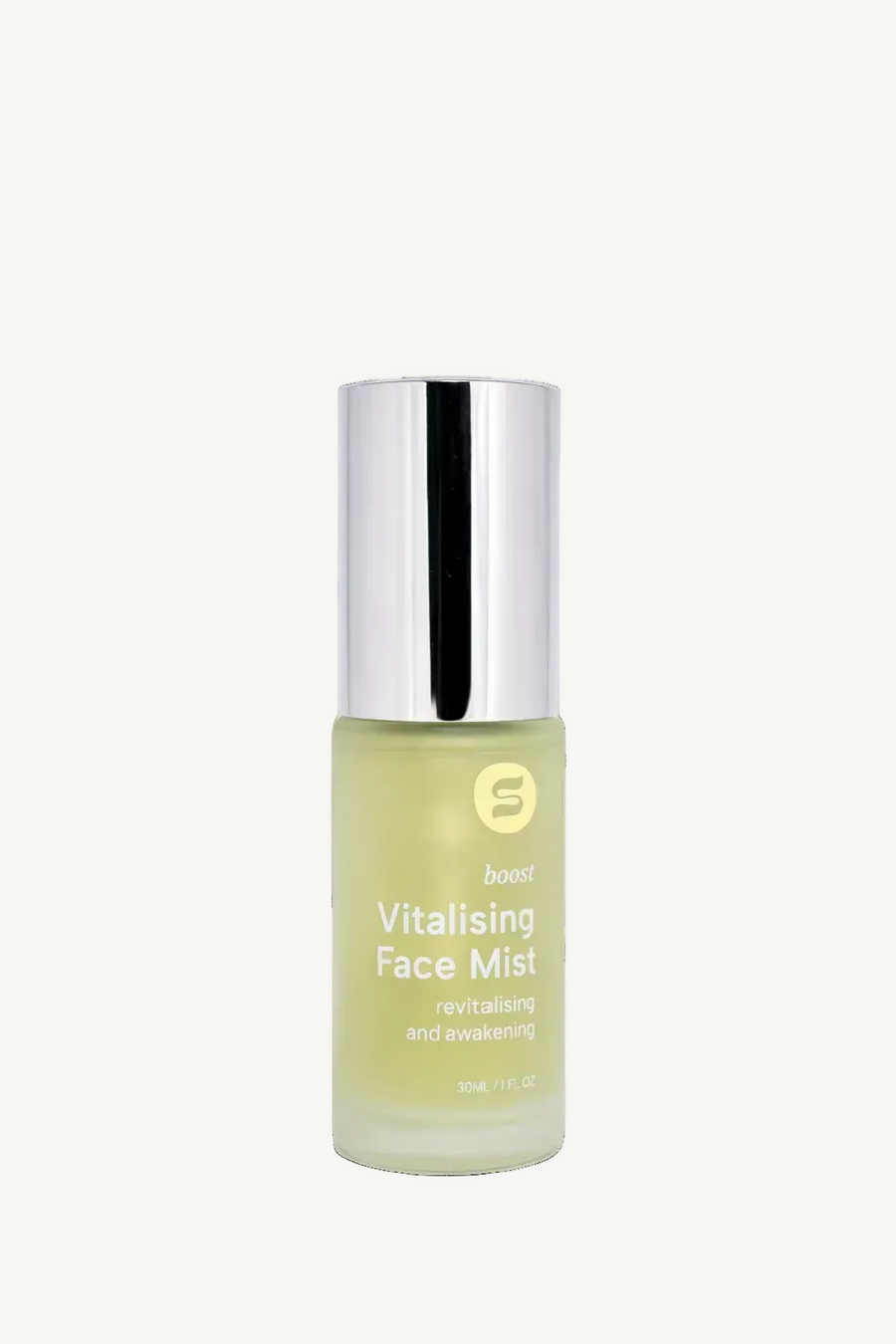
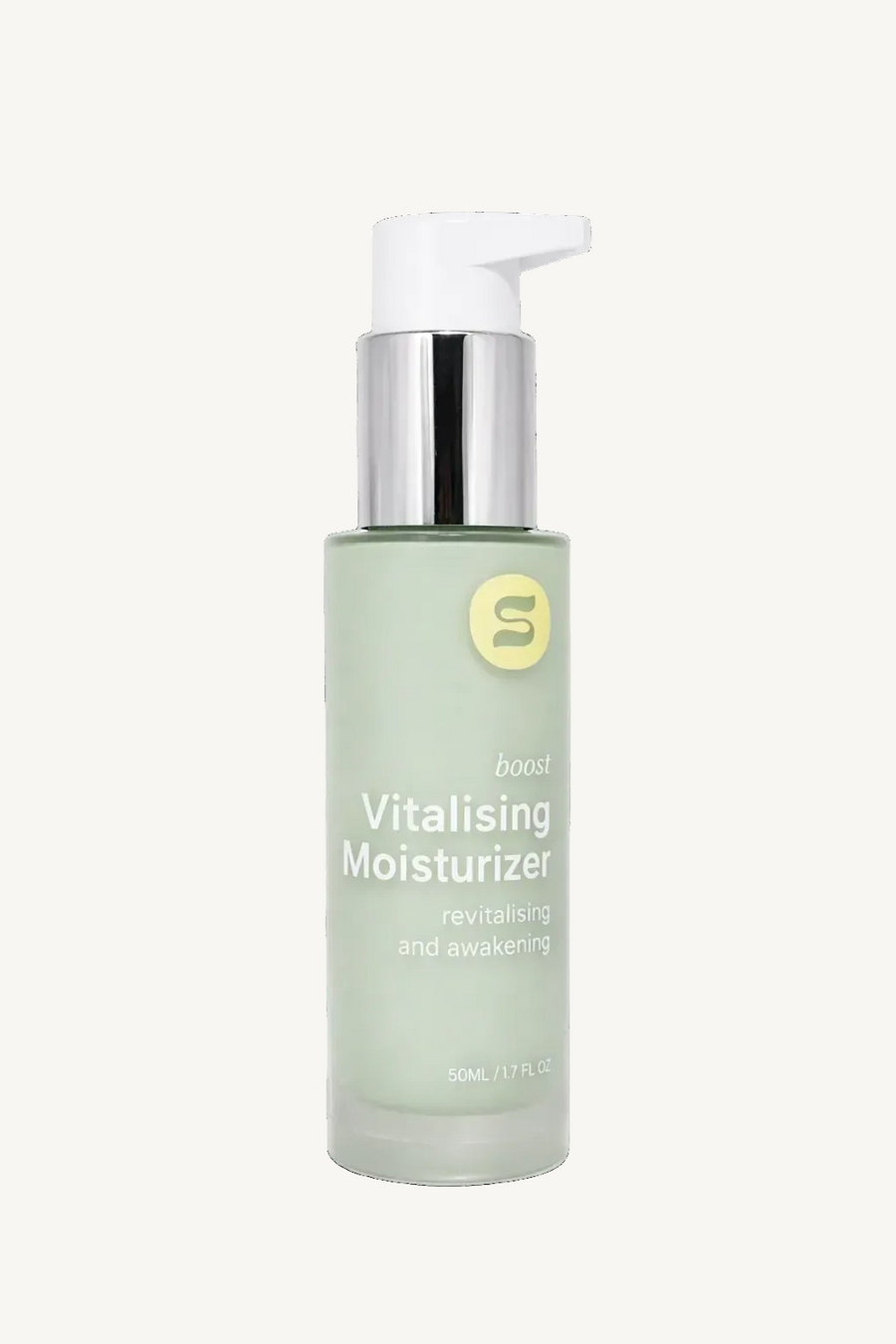
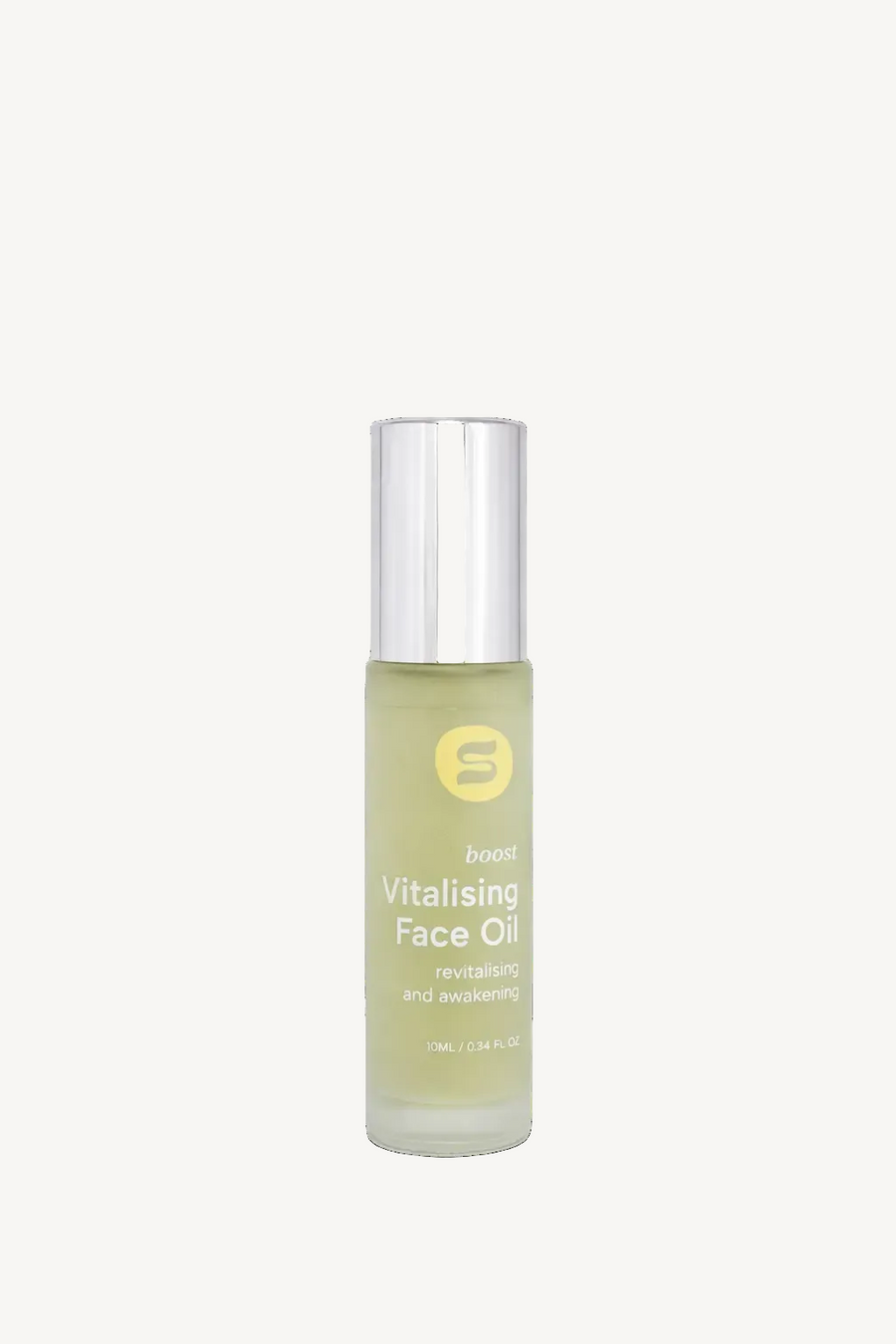
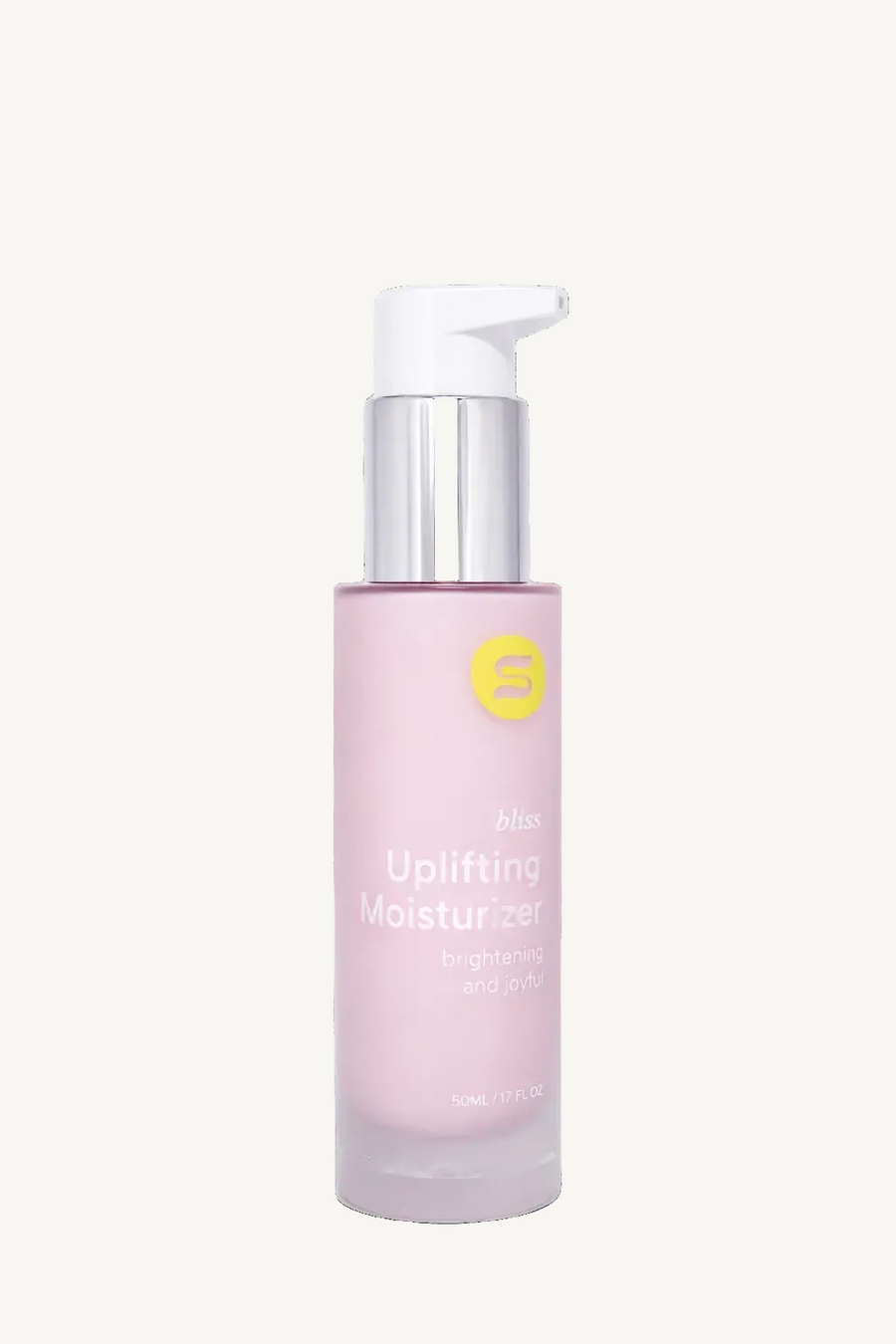
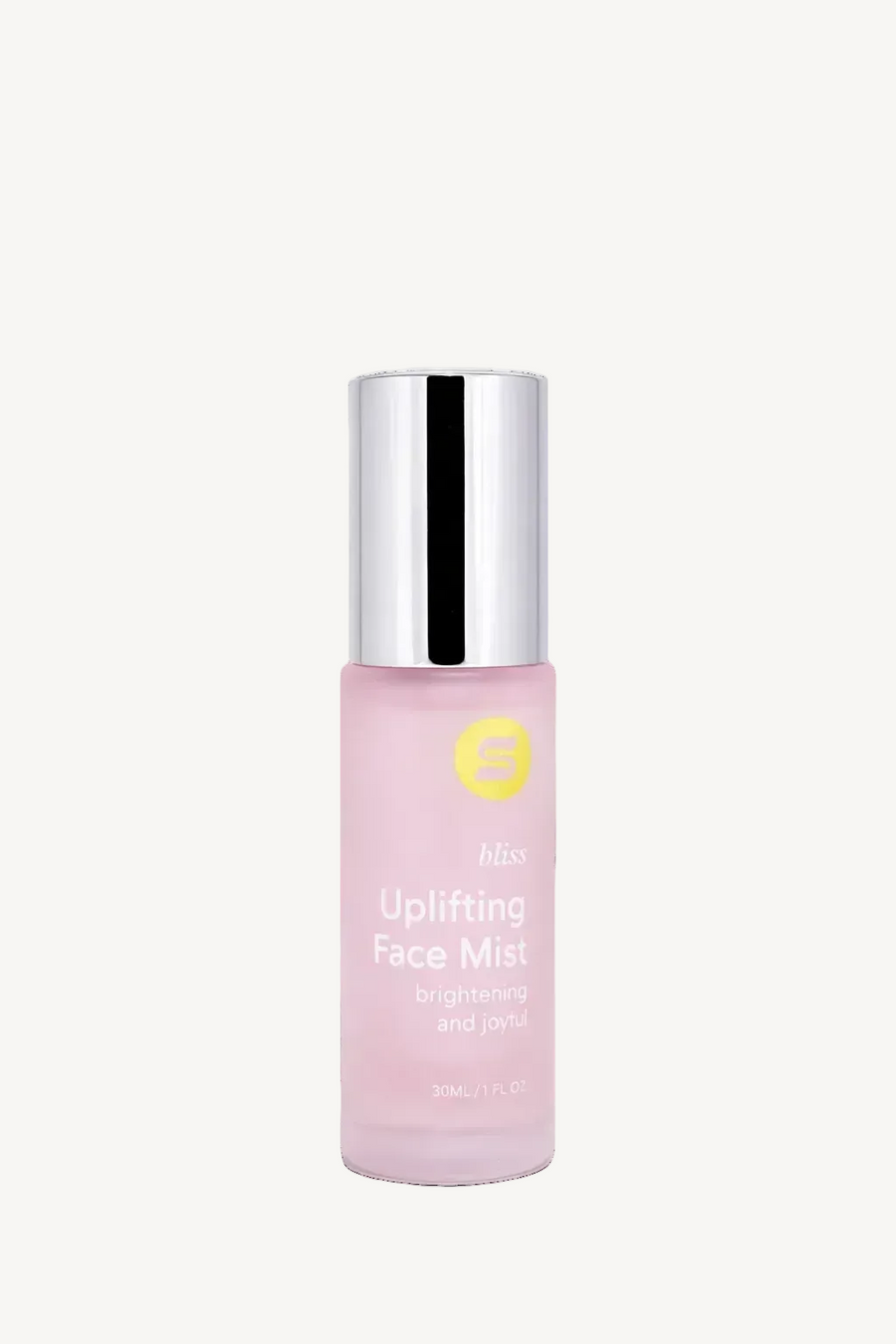
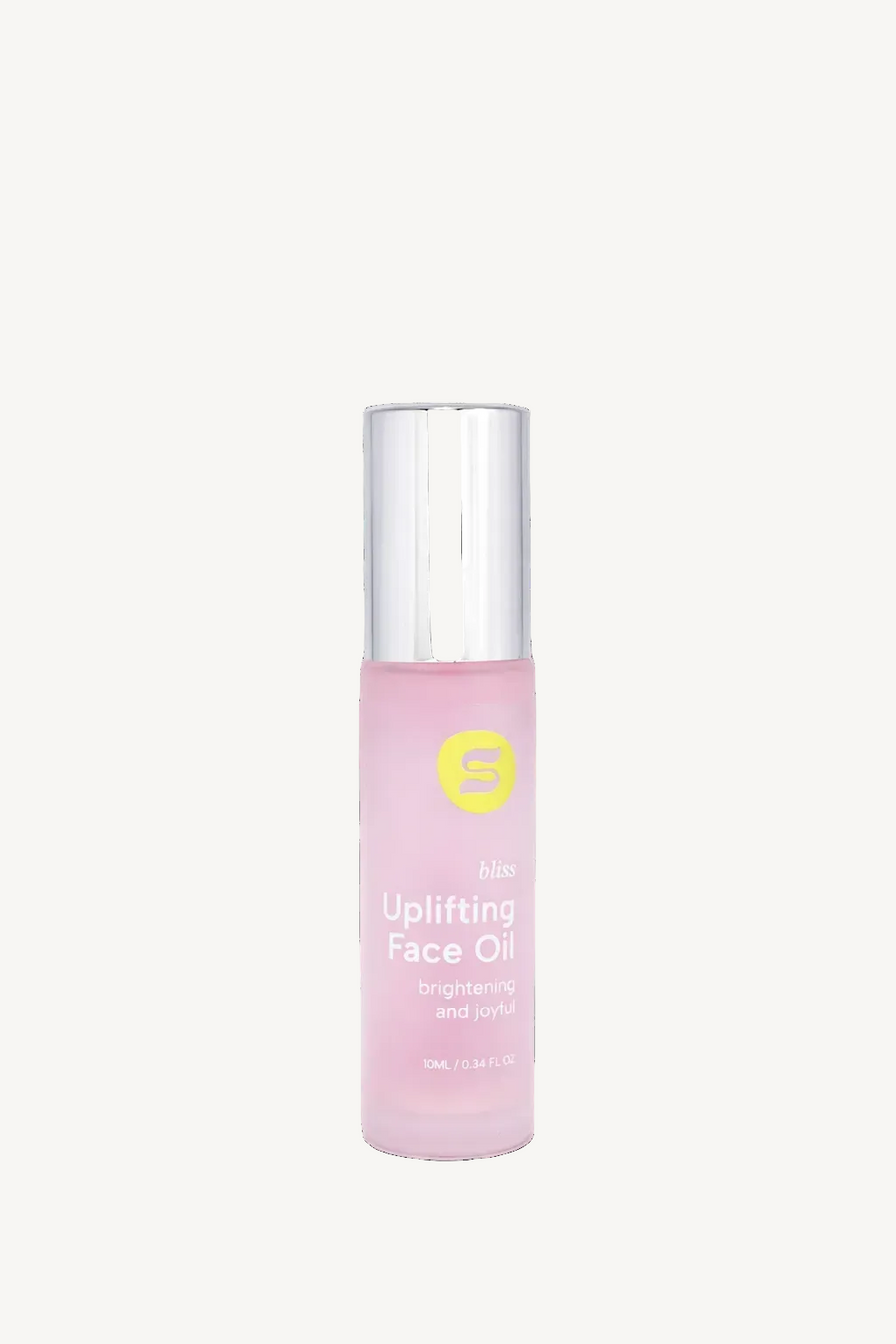
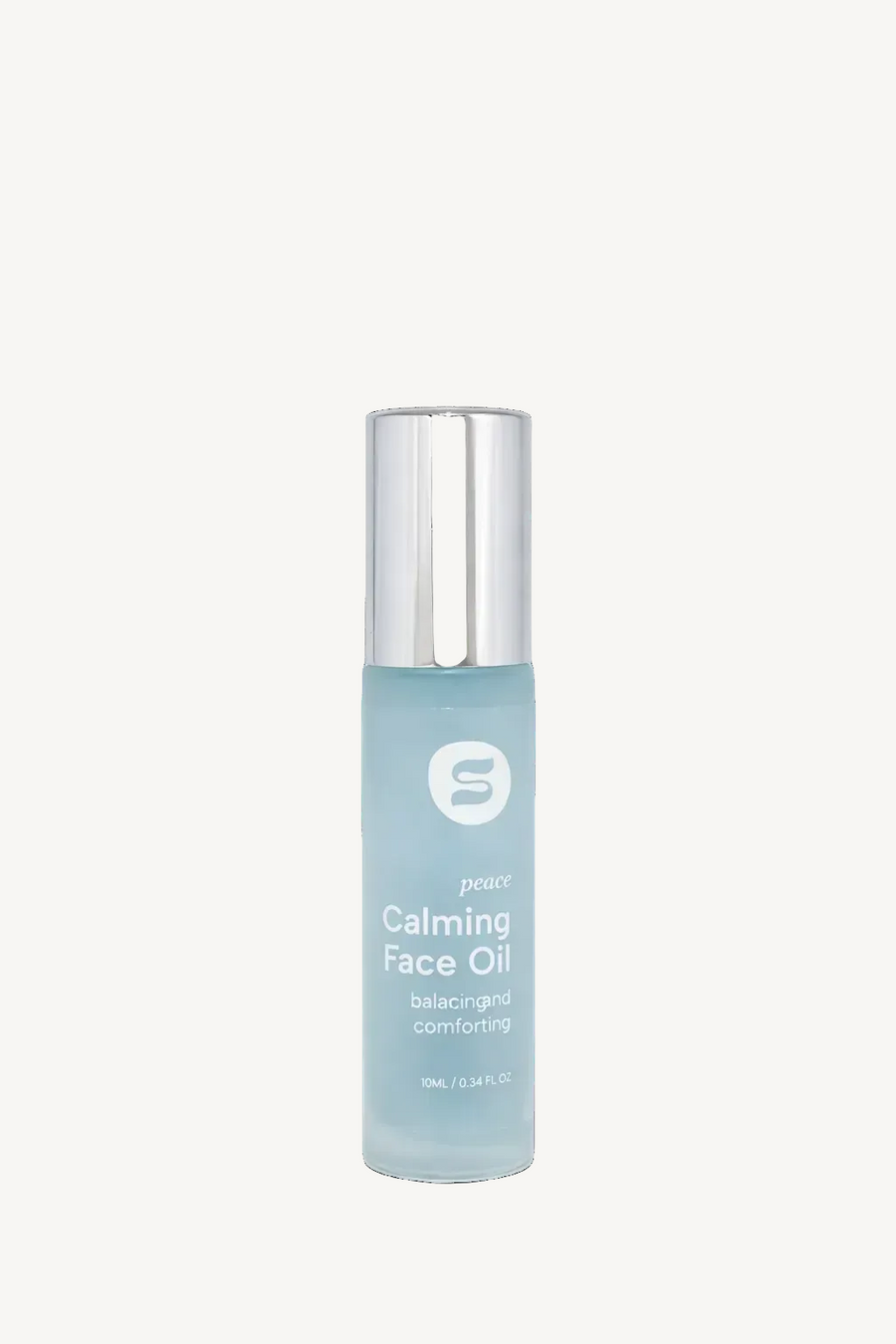
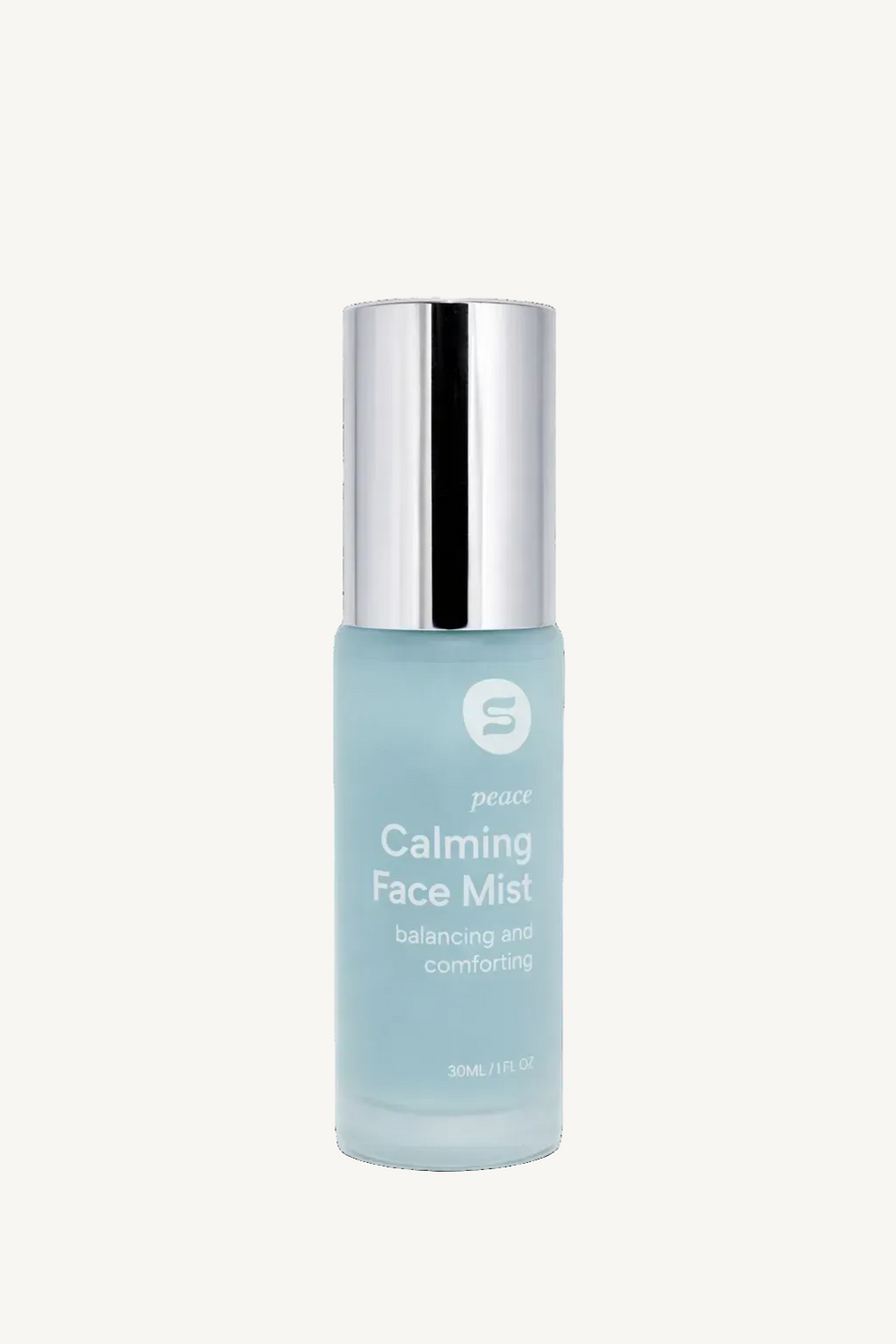
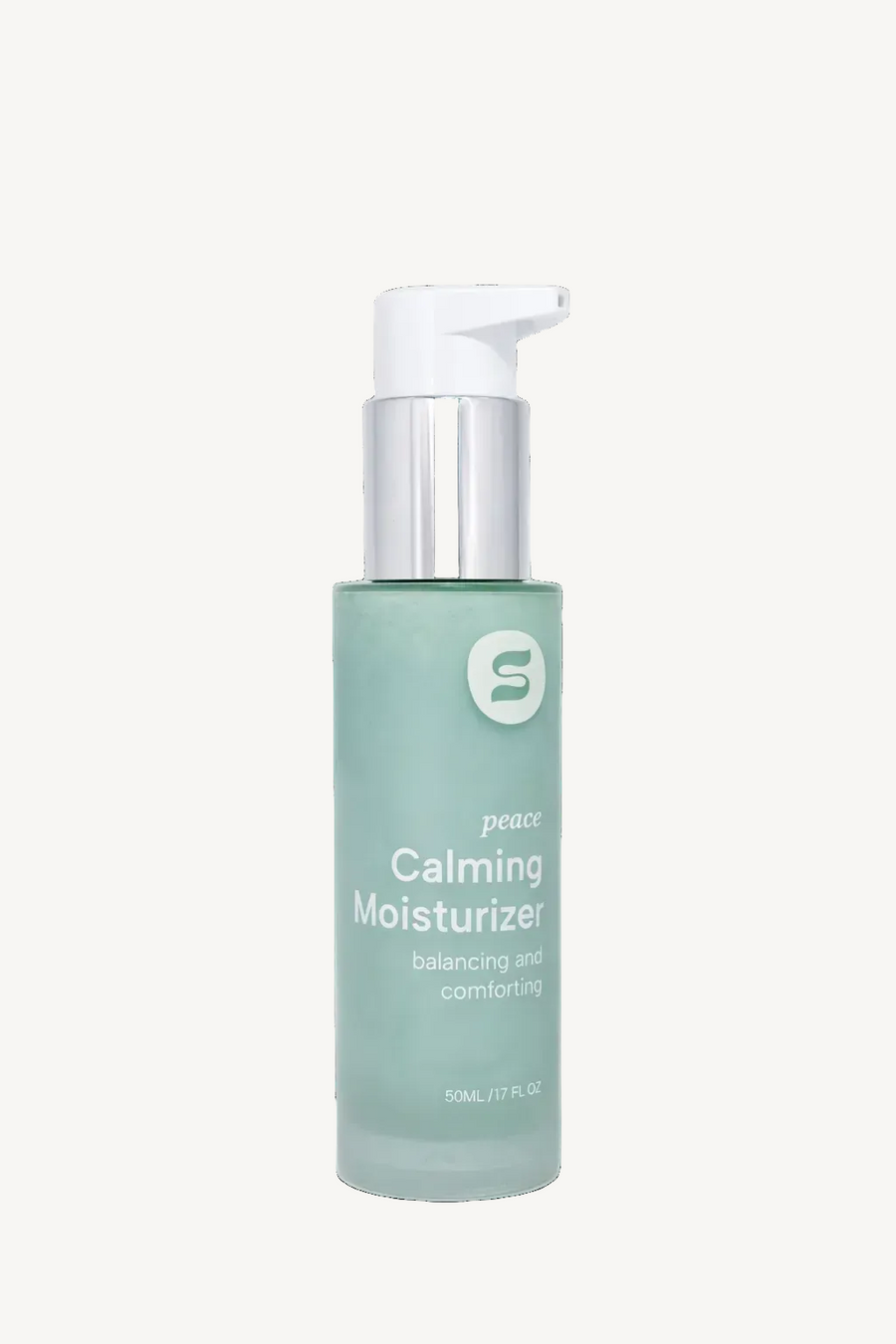
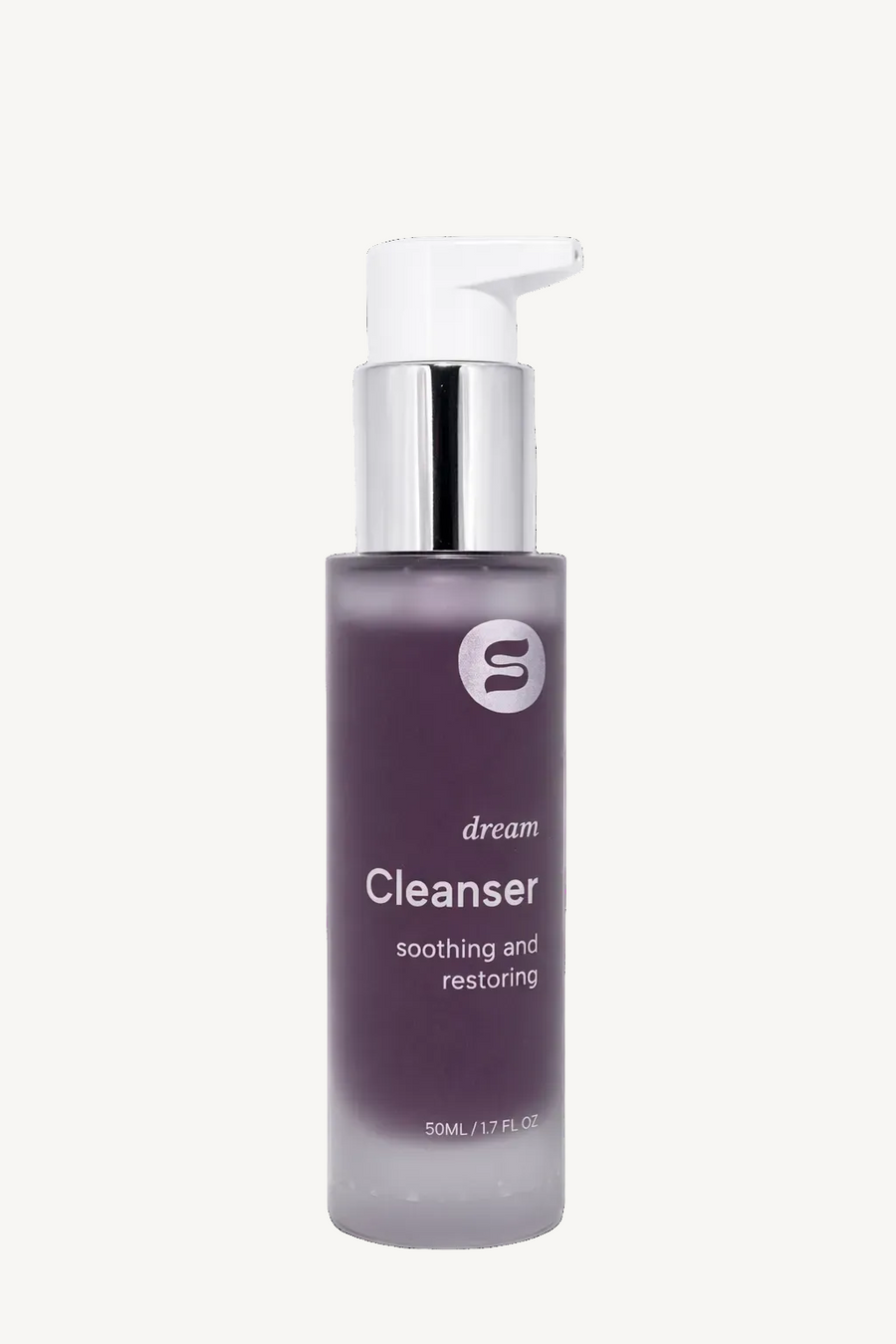
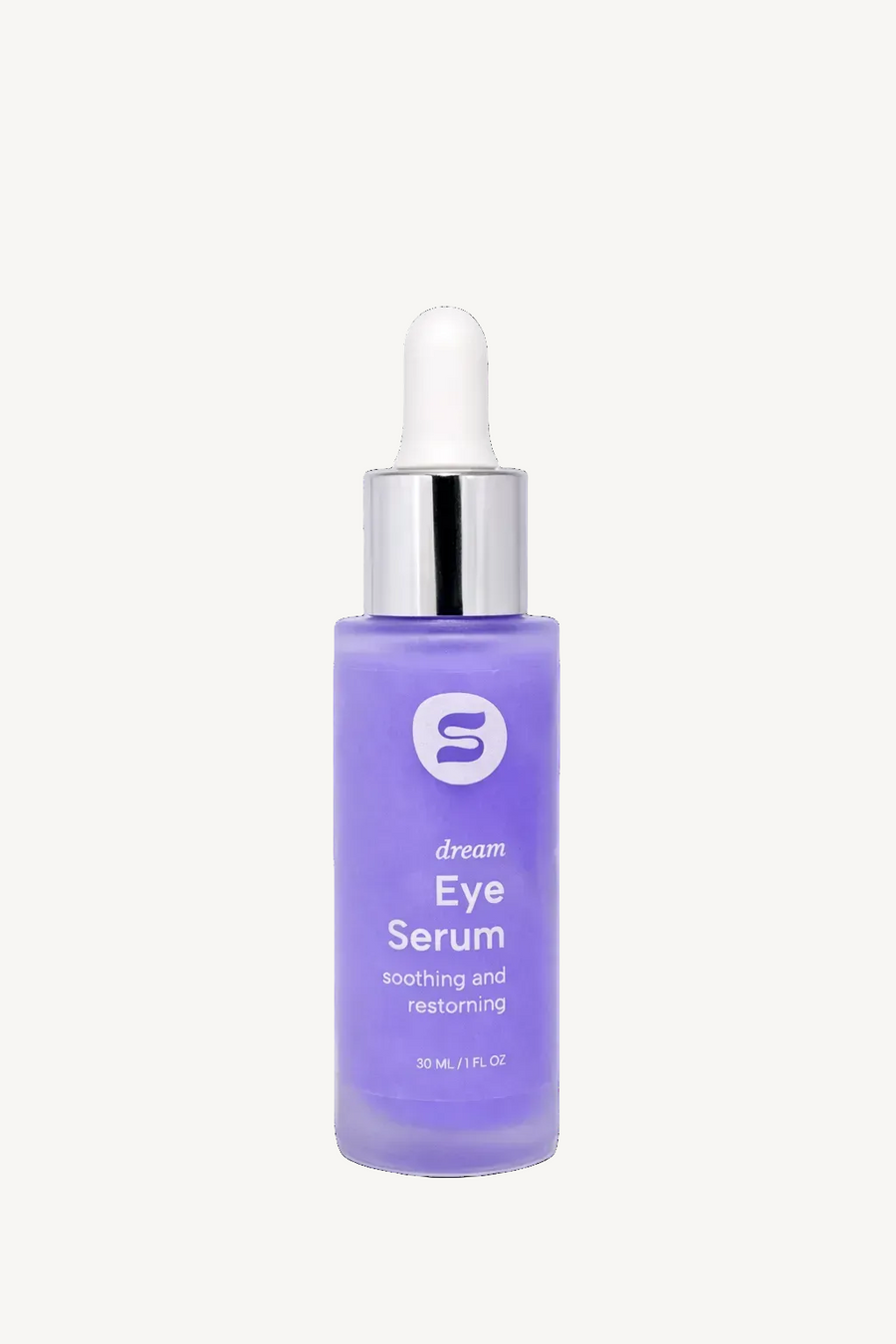
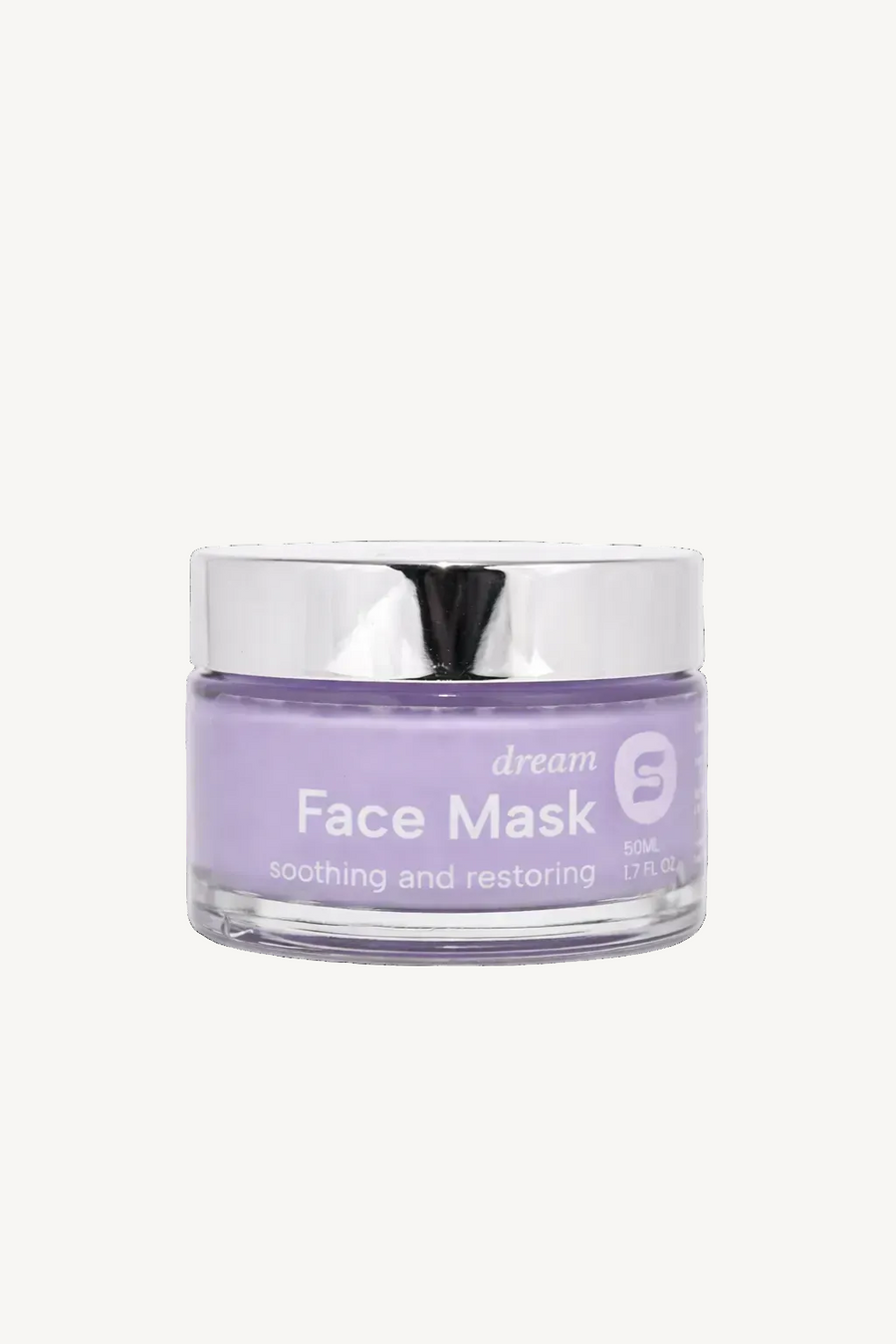
A mood is a state of mind and skin.
Three parts. Every formula.
Each chosen on purpose. Each doing a different job.
The formula.
Where we make claims
Actives selected for what cortisol does to the barrier — holding water in, keeping irritation out, restoring comfort. Measurable, on the surface, over weeks.
The scent.
Experience, not outcome
Smell has unusually direct connections to the parts of the brain involved in emotion and memory. It is the only part of a product that works in the moment you apply it — and the reason each collection smells the way it does. Each fragrance was selected for the character of its mood — from bright and sharp to soft and low.
Most skincare is built to disappear. Ours is not. Scent is the part you experience first, so we gave each collection its own distinct identity — made strong enough to register. If you expected something neutral, this will surprise you. It is meant to.
A scent will not treat anything, and we are careful never to say it does. What it does is change how a minute feels — which is the honest reason two minutes of this feels different from two minutes of anything else.
The colour.
Navigation, not effect
Five colours, one per collection, fixed. Colour is how you find the right one in a cabinet at 7am without reading a label. It carries no promise of its own.
What we don't say.
No cream lowers stress.
No cream regulates your nervous system.
If you want the detail
Where cortisol comes from
Three parts of the body work as one chain. The hypothalamus registers pressure and signals the pituitary gland. The pituitary signals the adrenal glands above the kidneys. The adrenals release cortisol. Researchers call this the HPA axis, after the three organs in it. Cortisol also signals back to the start, which is how a short stress switches itself off again.
Skin as an endocrine organ
Skin is not only a receiver. Keratinocytes carry the major components of the same chain, which means skin can produce and activate cortisol locally, independent of the brain. This is why a stressed period registers on skin even where nothing touched it.
The barrier, in one paragraph
The outermost layer works like mortar between bricks — lipids packed between the uppermost cells, keeping water in and irritants out. Its condition is measured as transepidermal water loss: the more water escaping, the weaker the barrier. This is the number most of the studies below are tracking.
Scent and the brain
Smell is the only sense with a direct anatomical line to the limbic system — the olfactory bulb sits one synapse away, without the relay through the thalamus that every other sense passes through first. That is an anatomical fact about wiring, not a claim about what any scent here will make you feel.
The evidence base
Human studies published between 2001 and 2025. The most useful single entry point is the 2019 review, which assesses the whole field rather than one experiment.
- 01 The impact of stress on epidermal barrier function: an evidence-based review
- 02 Psychological stress perturbs epidermal permeability barrier homeostasis
- 03 Glucocorticoid blockade reverses psychological stress-induced abnormalities in epidermal structure and function
- 04 Kao, Fluhr, Man, et al.
- 05 Psychological stress deteriorates skin barrier function by activating 11β-HSD1 and the HPA axis
- 06 Transepidermal water loss reflects permeability barrier status
- 07 The cortisol awakening response: Regulation and functional significance
- 08 Olfactory system and emotion: common substrates
Not sure where to start?Take the mood quiz